

Blog
We are willing to share our interesting discoveries and creations all the time. Here you can see all kinds of excellent cases and experiences related to the stainless steel wire rope mesh.10/30/2026
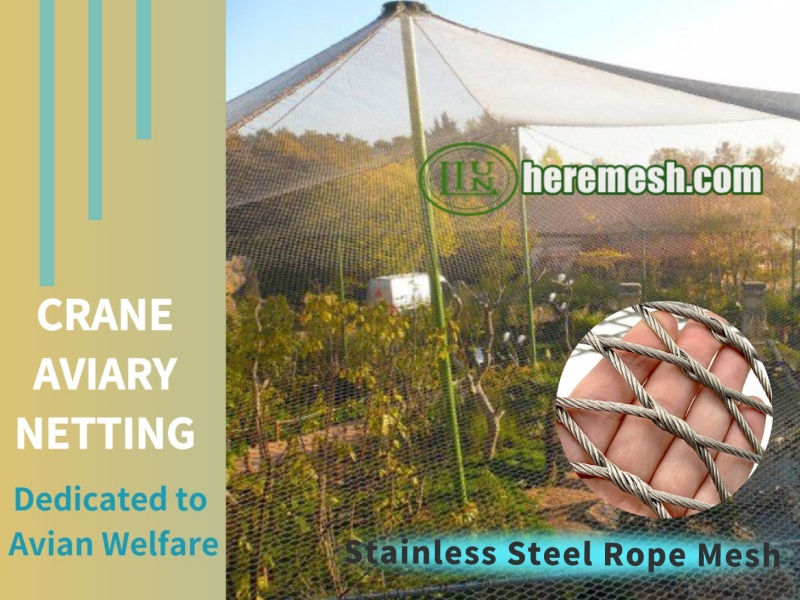
At crane conservation sites like zoos and bird parks, crane netting is vital infrastructure for captive crane habitats. For a long time, many facilities have been guided by a simplistic understanding when constructing crane netting enclosures. They regard the primary purpose of safety netting as preventing escapes, with priority given to strength, cost, and ease of installation. When crane injuries or collisions happen, they often replace netting with thicker, tighter woven material. However, numerous cases have shown that many safety hazards do not come from the strength of the […]
10/23/2026
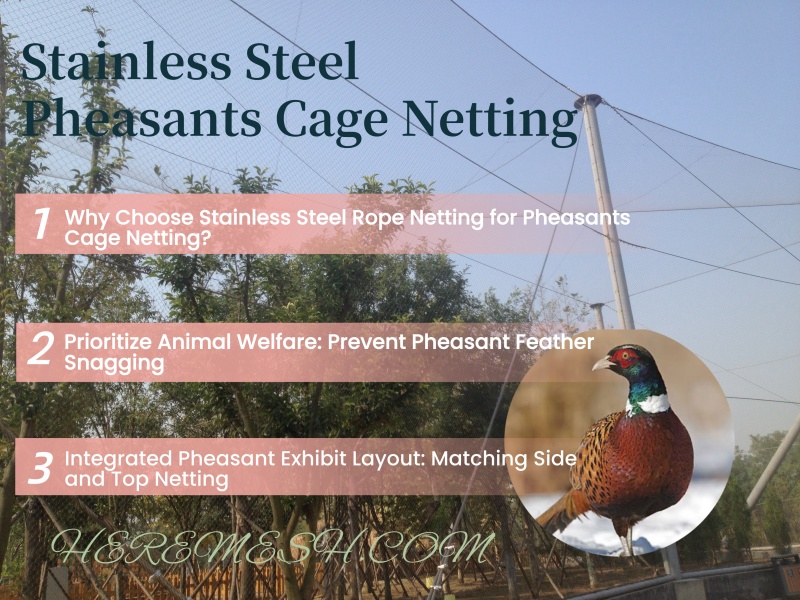
In the planning and design of zoo avian exhibits, the selection of protective netting for the pheasant exhibit has always been a key consideration for landscape design firms and zoo infrastructure departments. Pheasants are naturally alert and highly active, frequently engaging in flight, jumping, and charging behaviors. Standard welded wire mesh, plastic netting, and chain-link fencing can easily injure the birds and have a short lifetime. Furthermore, these conventional mesh materials are visually jarring and disrupt the natural ambiance of the exhibit area. Stainless steel wire rope pheasan […]
10/16/2026
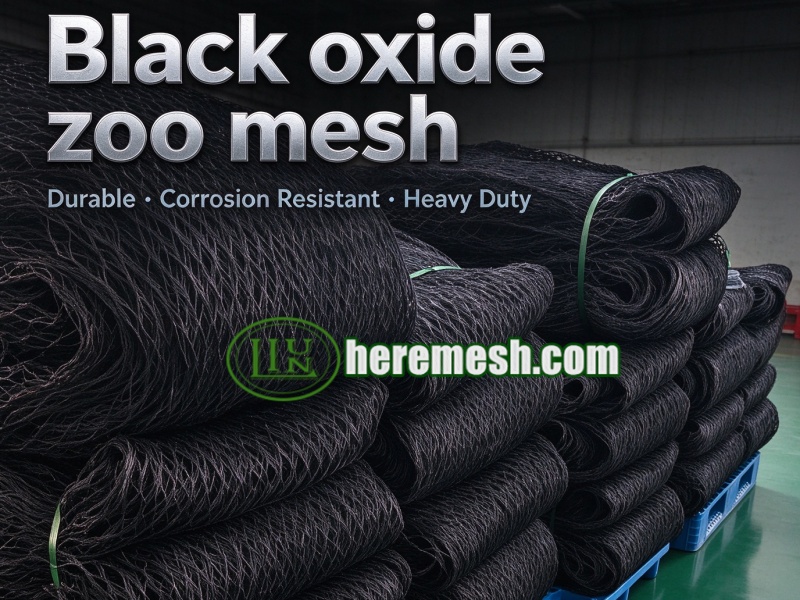
Order Information This order for black oxide zoo mesh is specifically intended for a large-animal enclosure protection project at an overseas zoo. The entire enclosure consists of two main components—vertical fencing and a roof netting. The entire enclosure used for isolation and protection within the animal exhibit area. The project imposes extremely high requirements regarding animal safety, visual discretion, and long-term outdoor weather resistance. Consequently, the client ultimately selected black oxide 316 rope netting rather than conventional natural-colored stainle […]
10/10/2026
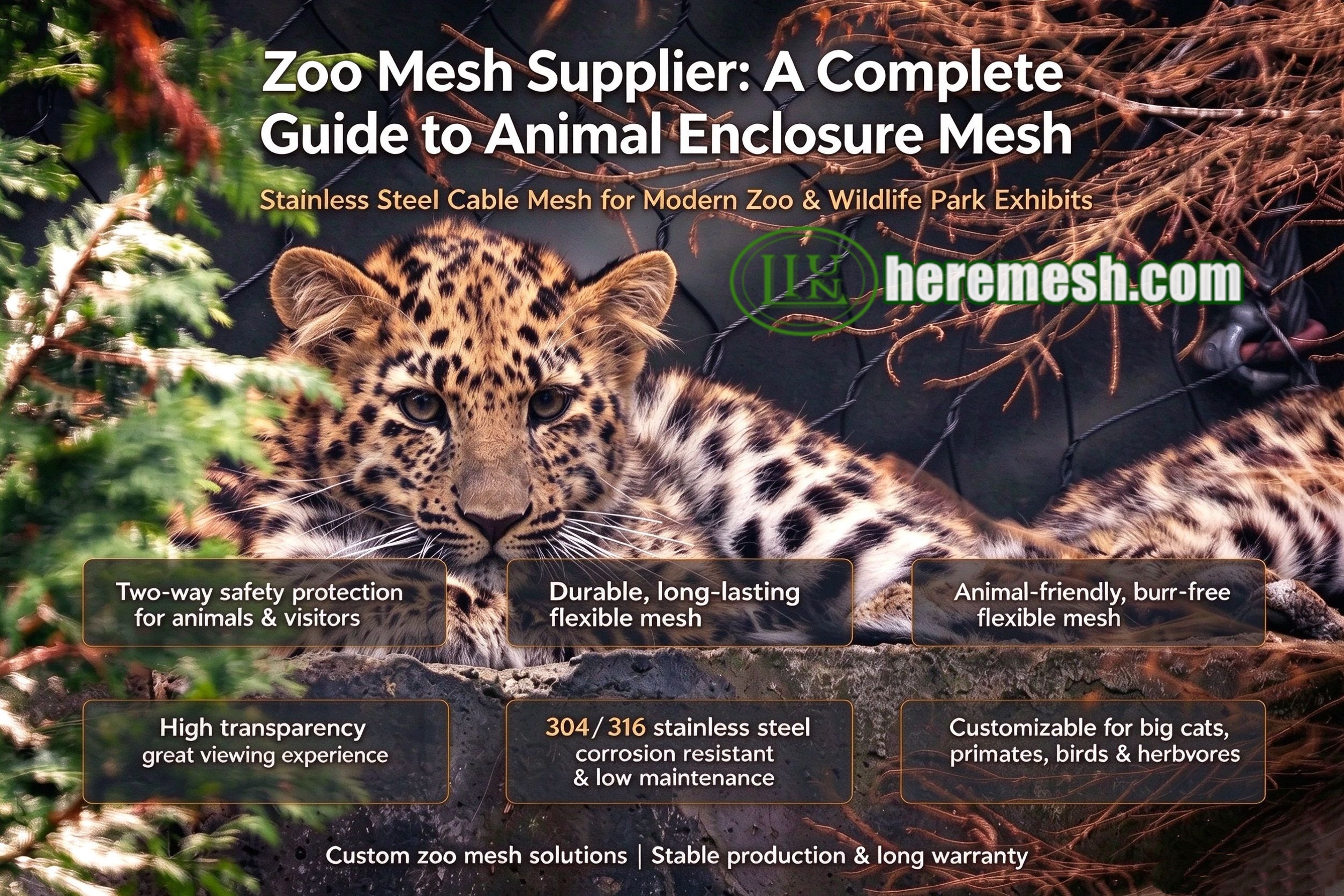
In the construction and renovation of modern zoos, wildlife parks, and bird sanctuaries, the choice of a zoo mesh supplier directly determines the facility’s safety standards, the visitor experience, and the lifespan of the facilities. Traditional fences suffer from rusting, animal injury risks and severe visual obstruction. Due to these drawbacks, they have been gradually phased out. Specialized zoo mesh suppliers, whose core product is stainless steel cable netting, have become the preferred partners for major zoo projects both domestically and internationally thanks to k […]
09/24/2026
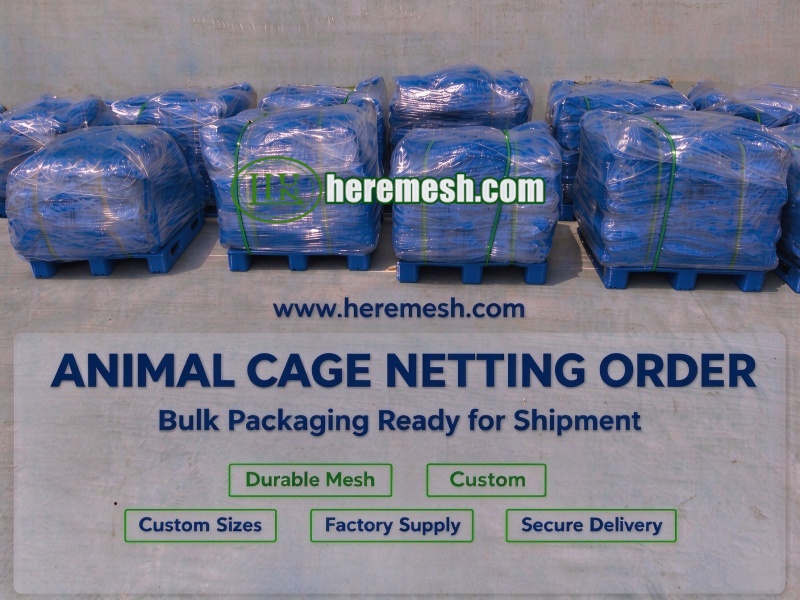
Bulk Premium Animal Cage Netting Shipped to US This week, we completed a large order of animal cage netting destined for the United States. All goods have undergone production, quality inspection, packaging, and container loading, and are about to be shipped from a domestic port. The client for this order is a contractor working on a renovation project for a medium-sized zoo in the U.S. The materials from this order will be used to upgrade the fencing of several aging enclosures within the zoo. The total area of this order exceeds 3,000 square meters, covering three main areas: big cat en […]
09/18/2026

Zoo Mesh: Materials and Basic Applications Zoo mesh, also known in the industry as zoo enclosures, stainless steel rope netting, or flexible metal mesh. It is a mesh-based protective material specifically designed to enclose animal habitats. It differs significantly from the common barbed wire and welded wire mesh we are familiar with. Zoo mesh consists of a flexible structure hand-woven or crimped from stainless steel wire ropes, whereas barbed wire and welded wire mesh are rigid structures welded from iron wire. In terms of materials, zoo mesh produced by manufacturers generally uses st […]
09/11/2026
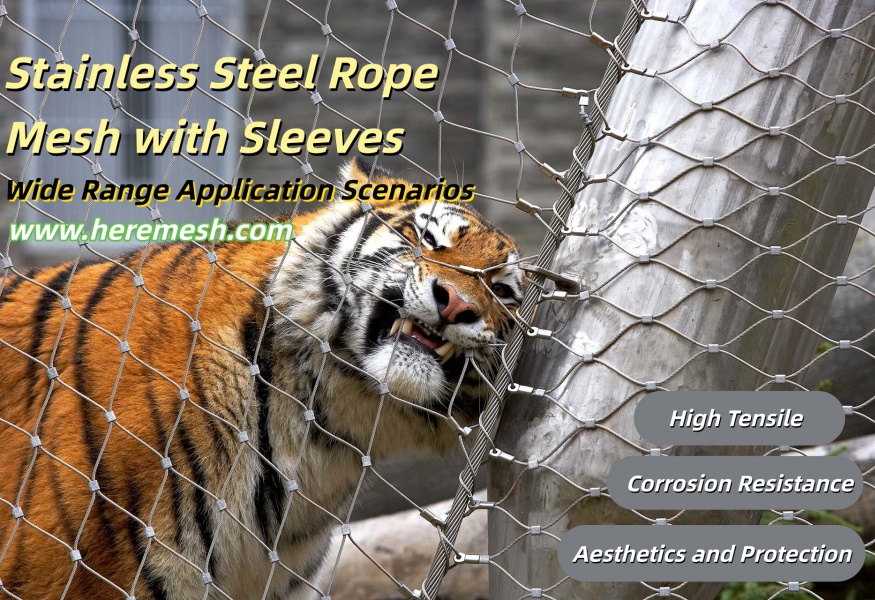
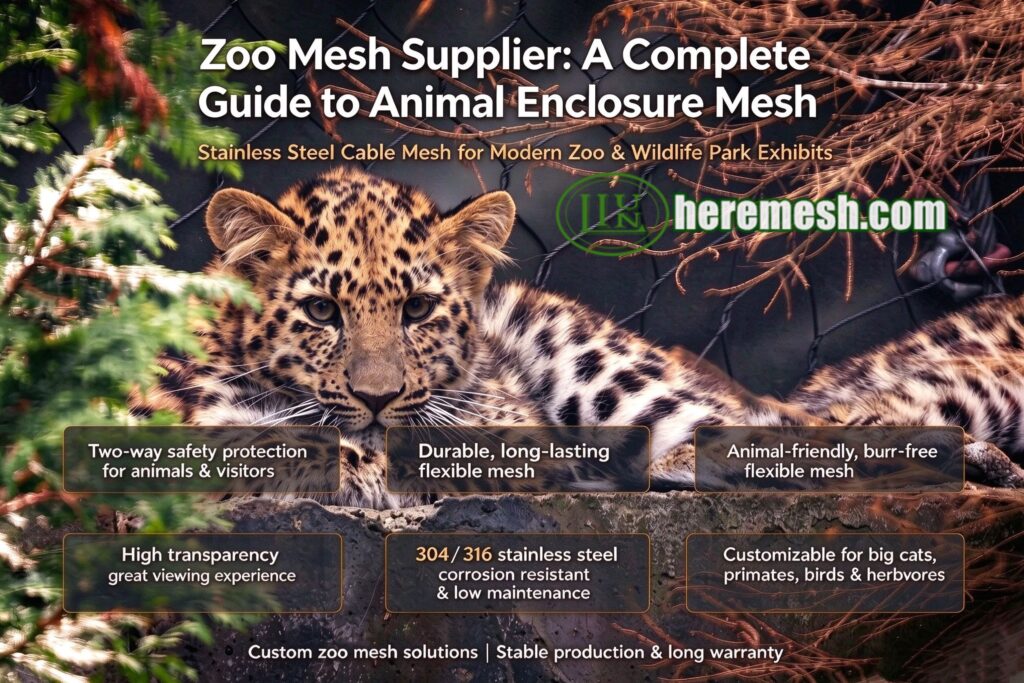
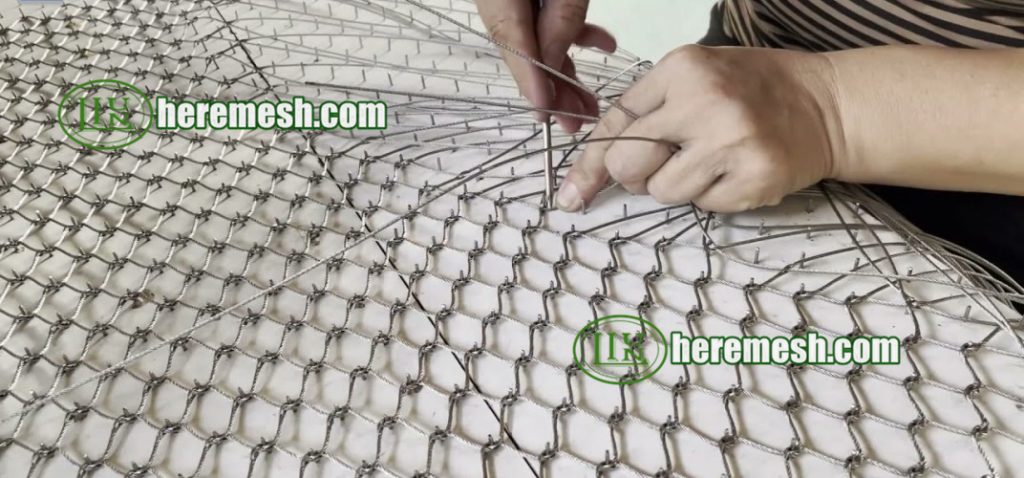
Principle & Structure of Stainless Steel Rope Mesh with Sleeves Stainless steel rope mesh with sleeves, also known in the industry as ferruled mesh or stainless steel ferrule mesh. Its name clearly describes its structure. Stainless steel wire ropes are arranged in a crisscross pattern to form diamond-shaped mesh openings, with a metal sleeve (a ferrule) fitted at each intersection. Hydraulic equipment is then used to compress the sleeves, firmly locking the two intersecting wire ropes together. The sleeves are typically made of the same stainless steel as the wire rope. Once cri […]